A Abhinaya Say it: uh-bee-NUH-yuh · Technique
The art of carrying a play to the audience. The Natyashastra names four kinds: body, voice, costume and makeup, and inner feeling.
A Bharatanatyam dancer as Krishna, Normandy, France, 2018. Photo Neela Chandra, CC BY-SA 4.0, via Wikimedia Commons In Sanskrit: angika (body), vachika (voice), aharya (costume and makeup) and sattvika (inner feeling).
In the stories: The Natyashastra’s stage colour rule: one part blue
See also: Aharya , Angaracana , Natyashastra
Aharya Say it: ah-HAR-yuh · Technique
Costume and makeup, counted in the Natyashastra as one of the four kinds of acting.
Kathakali performers in minukku costume and makeup, Kerala, 2024. Photo Shagil Kannur, CC BY-SA 4.0, via Wikimedia Commons Chapter numbering differs between editions of the Natyashastra.
In the stories: The Natyashastra’s stage colour rule: one part blue
See also: Abhinaya , Angaracana , Natyashastra
Alcyoneum Material
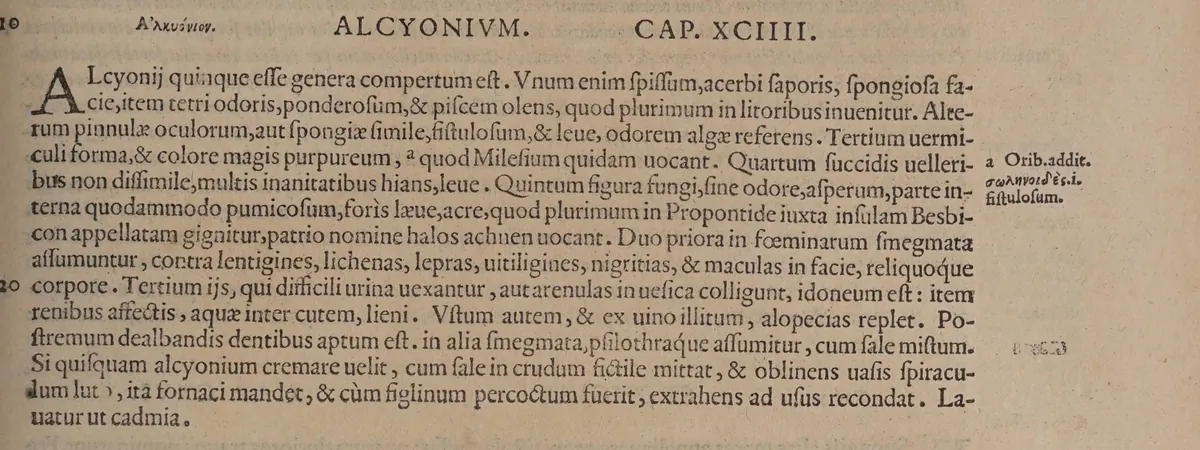
A substance Ovid says came from a kingfisher’s nest and cleared spots from the face. Nobody is sure today what it really was.
The chapter on alcyonium in Pietro Andrea Mattioli’s commentary on Dioscorides (Venice, 1565). It lists five kinds and says the first two went into women’s face cleansers against freckles and spots. Wellcome Collection scan via Internet Archive, public domain See also: Medicamina
Alembic Say it: uh-LEM-bik · Tool
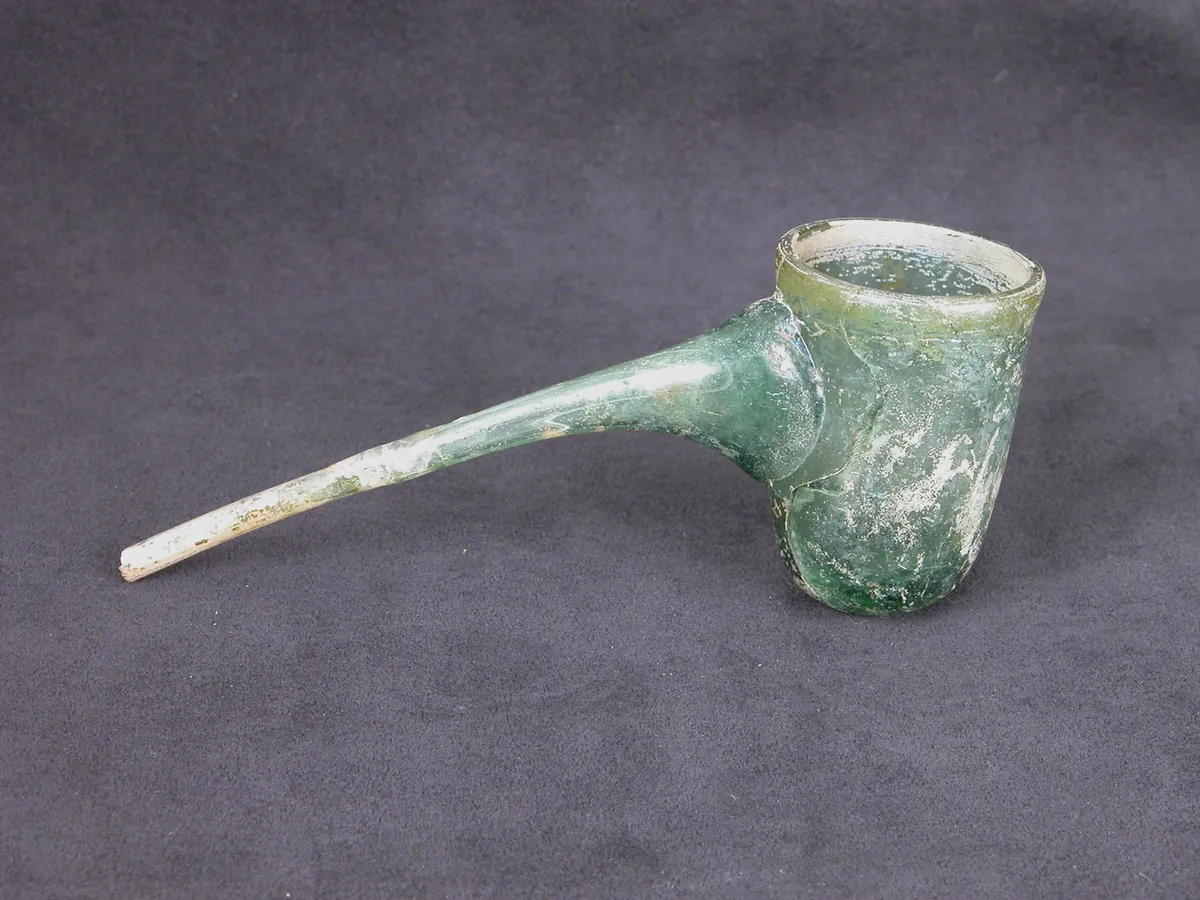
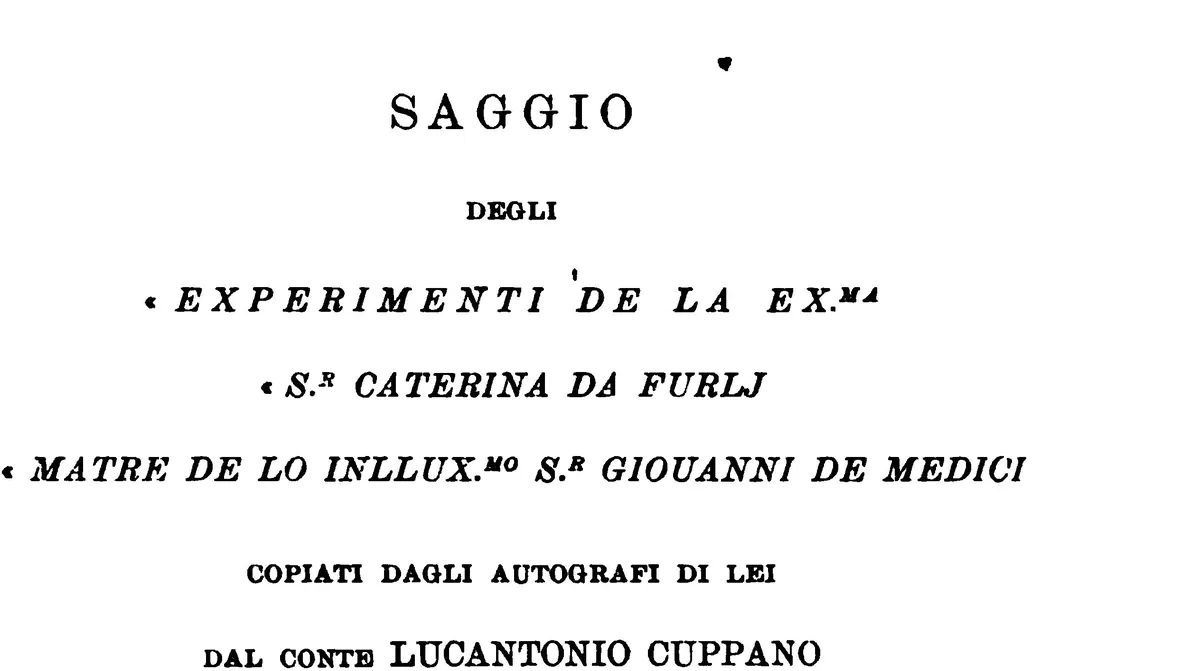
A still for distilling liquids. Many of Caterina’s recipes say to distil the ingredients in one.
Alembic, glass, 9th–11th century, Islamic world (centuries older than Caterina’s). The Metropolitan Museum of Art, 38.40.195, public domain (CC0) In the stories: Caterina Sforza’s book of beauty recipes
See also: Experimenti , Apothecary
Angaracana Say it: un-guh-RUH-chuh-nuh · Technique
“Painting the limbs”: the Natyashastra’s term for colouring a performer’s face and body, with white, blue, yellow and red as the base colours.
A Kathakali performer paints his own face before a show, Kalanjoor, Kerala, 2022. Photo Sujith Sam, CC BY-SA 4.0, via Wikimedia Commons In the stories: The Natyashastra’s stage colour rule: one part blue
See also: Aharya , Abhinaya , Pigment
Apothecary Work
A maker and seller of remedies and their ingredients; in Caterina’s story, the “chemist” who supplied her.
An apothecary at his counter, from a Tacuinum sanitatis, a medieval health handbook. Wellcome Collection, CC BY 4.0, via Wikimedia Commons In the stories: Caterina Sforza’s book of beauty recipes
See also: Experimenti , Alembic
Applicator (kohl stick) Tool
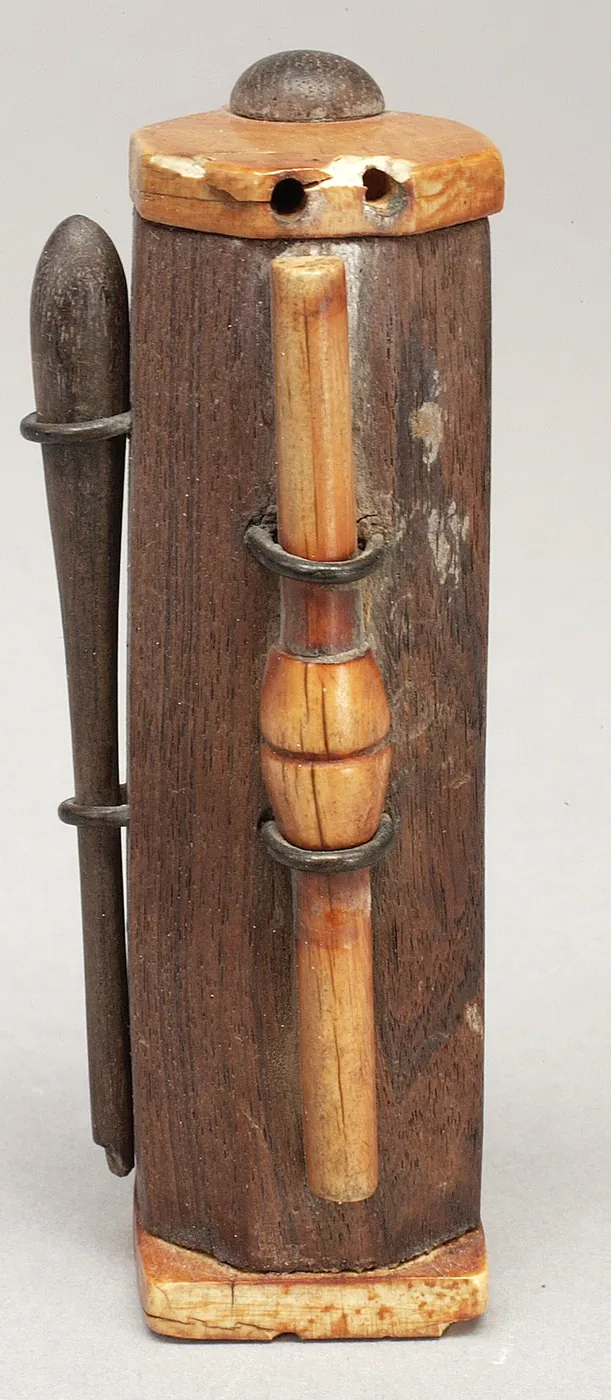
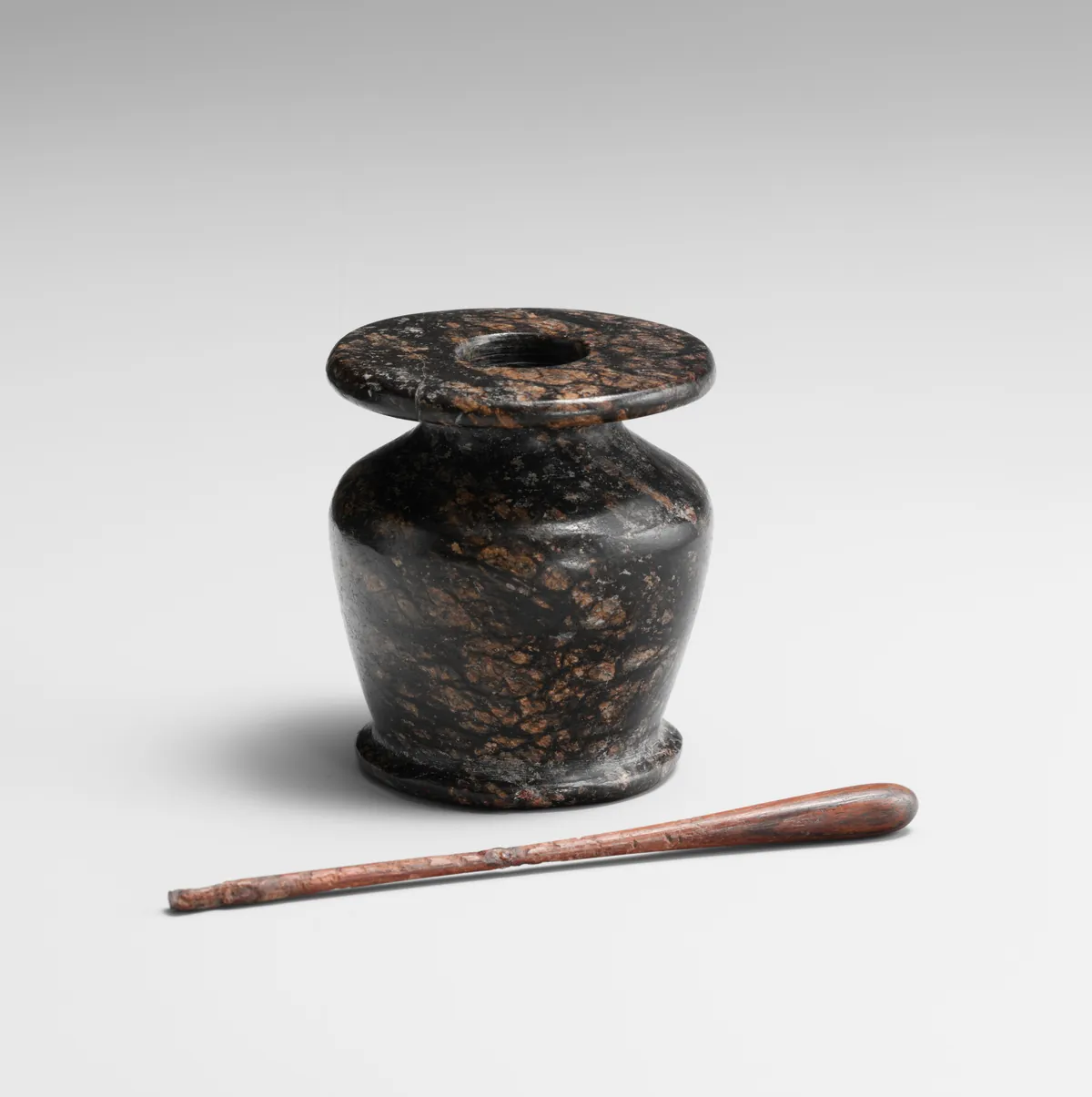
A thin stick of wood, ivory or metal used to put eye paint along the eyelids.
Kohl tube and stick, Egypt, New Kingdom, about 1550–1458 BCE. The Metropolitan Museum of Art, 26.7.1447, public domain (CC0) In the stories: Green around the eyes at El Mahasna, before the pharaohs
See also: Kohl , Toilet set , Mirror
Aragoto Say it: ah-rah-GOH-toh · Technique
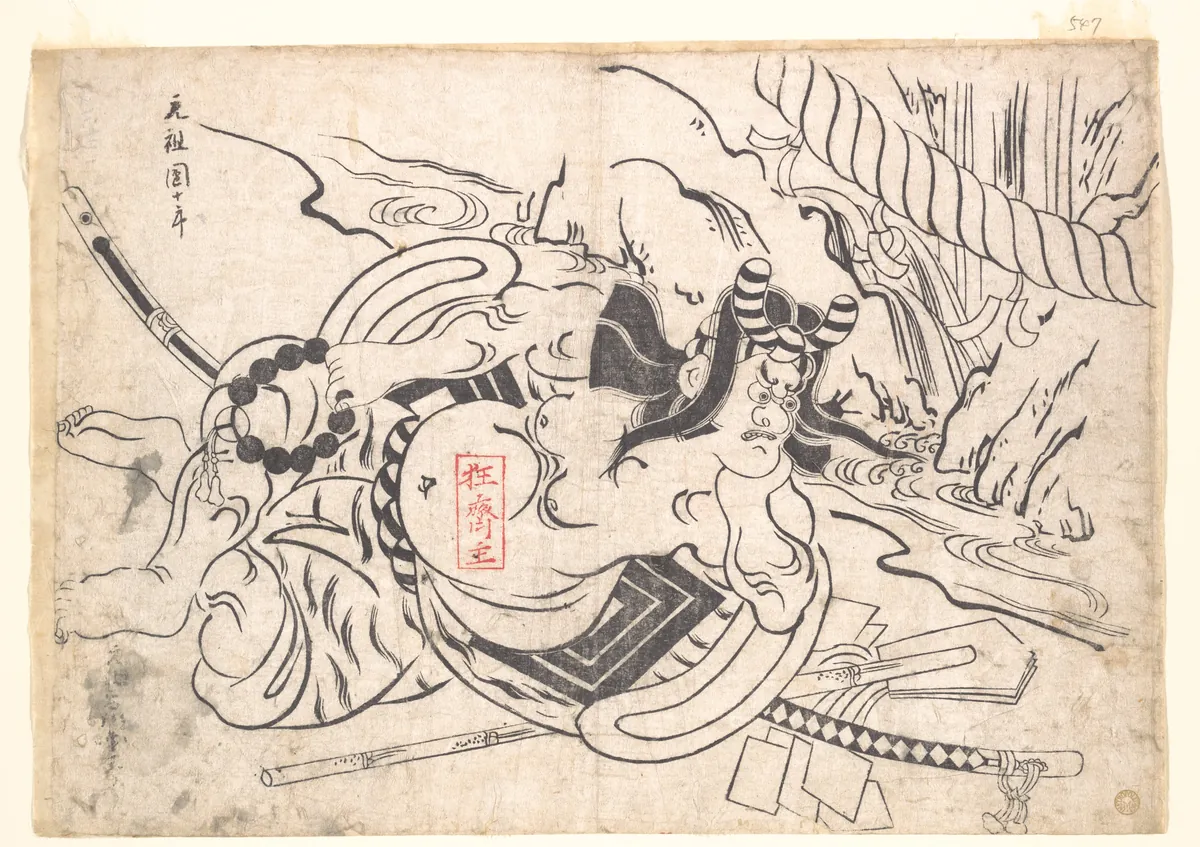
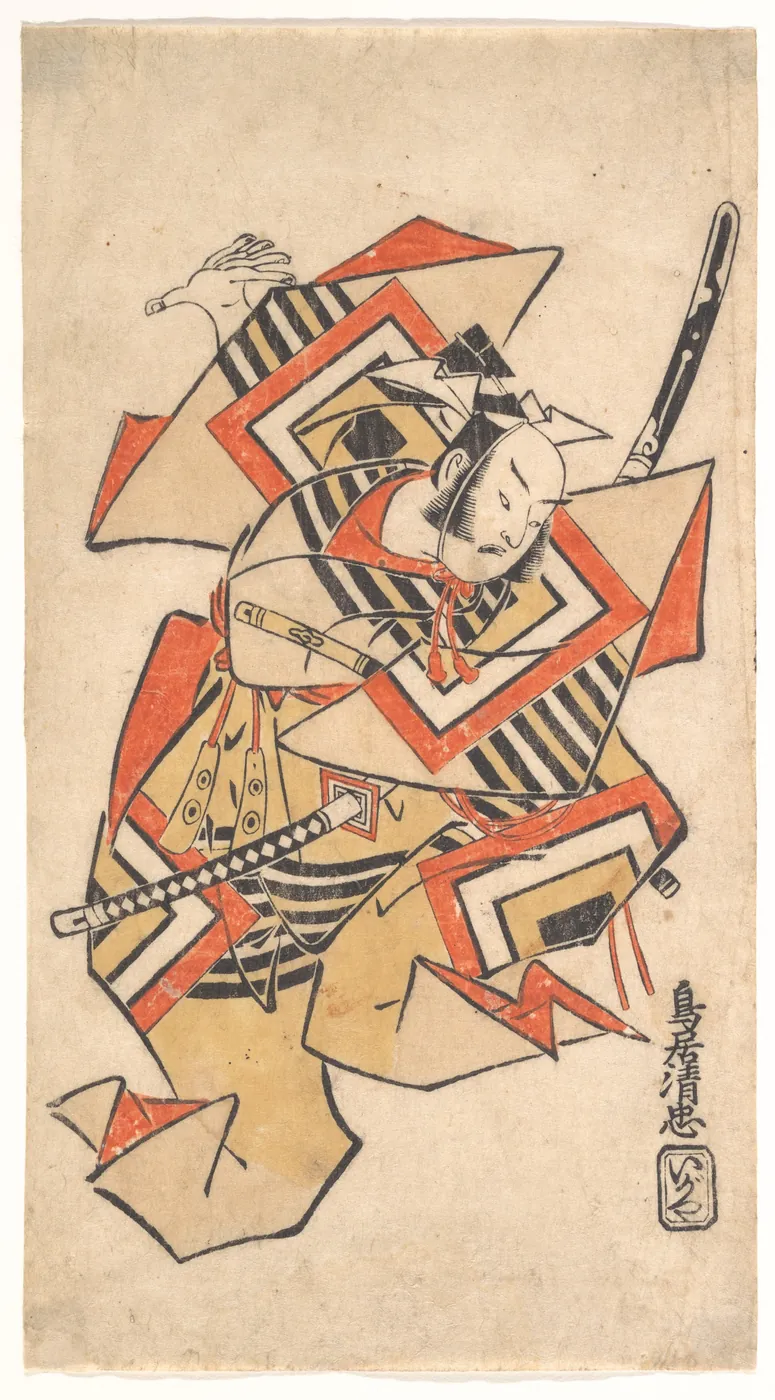
The rough, larger-than-life kabuki acting style created by Ichikawa Danjūrō I. Kumadori belongs to it.
Ichikawa Danjūrō I, who created aragoto, as Soga Gorō. Print by Okumura Masanobu, about 1710. The Metropolitan Museum of Art, JP547, public domain (CC0) In the stories: Ichikawa Danjūrō I’s kumadori face, 1673
See also: Kumadori , Beni , Mask
Aryballos Say it: air-ih-BAL-os · Container
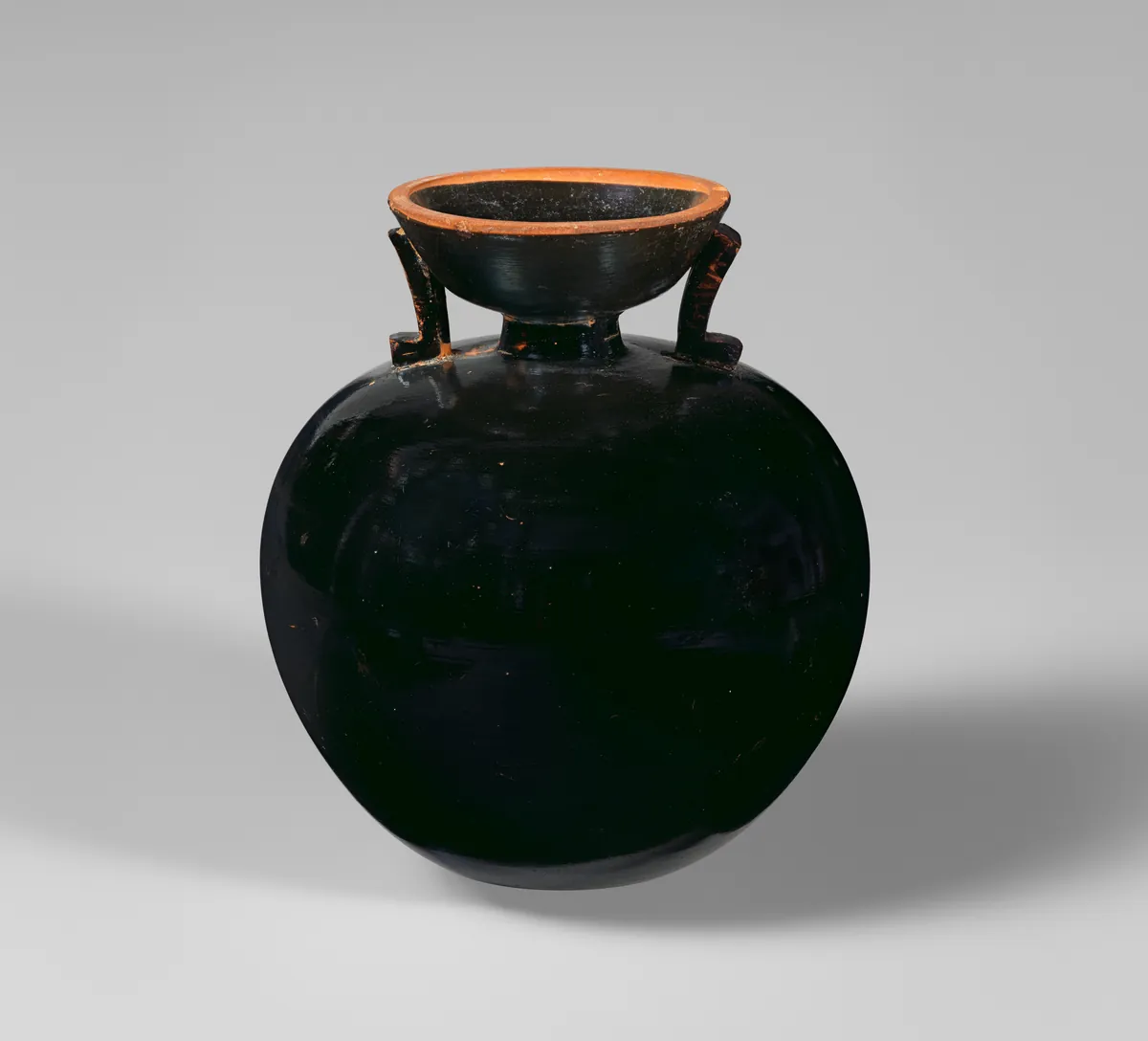
A small round flask for oil, often carried on a chain with strigils.
Terracotta aryballos (oil flask), Greek, Attic, about 510 BCE. The Metropolitan Museum of Art, 06.1021.112, public domain (CC0) See also: Strigil , Unguent , Toilet set
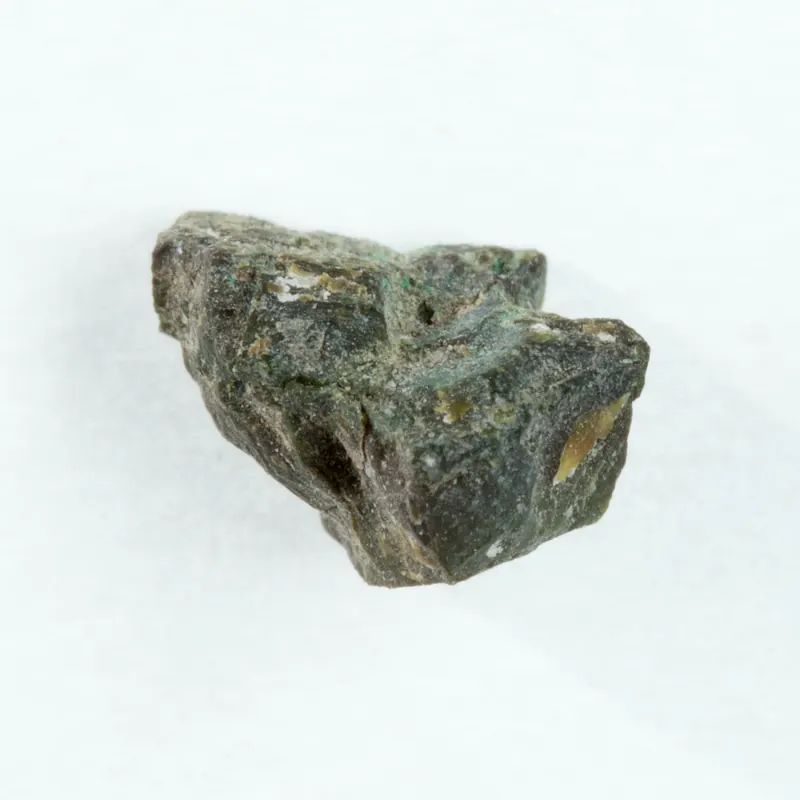
Atacamite Say it: uh-TAK-uh-mite · Material
A green copper mineral identified in the paint inside a cosmetic shell from the Royal Cemetery at Ur.
Cumengite with phosgenite and atacamite, mineral specimen. Wikimedia Commons, CC0 (GeoDIL) In the stories: Green paint in Puabi’s golden shell at Ur
See also: Malachite , Azurite , Pigment
Athletic dust Material
Fine dust Greek athletes put on oiled skin. Philostratus says yellow dust made them look glossy.
The Apoxyomenos (“the Scraper”), a Roman marble copy after a bronze by Lysippos: an athlete cleaning the oil and dust from his arm with a strigil. Vatican Museums. Photo Marie-Lan Nguyen, public domain, via Wikimedia Commons See also: Palaestra , Strigil , Powder puff
Azurite Say it: AZH-uh-rite · Material
A blue copper mineral that often forms with malachite. It was found in the green paint in one Ur cockle shell.
Azurite with malachite, Morocco, mineral specimen. Wikimedia Commons, public domain In the stories: Green paint in Puabi’s golden shell at Ur
See also: Malachite , Atacamite , Pigment
C Cinnabar Say it: SIN-uh-bar · Material
A red mercury mineral. One of Caterina’s recipes for golden hair distils it with saffron and sulphur.
Cinnabar crystals on quartz, Almadén mine, Spain. Photo Miguel Calvo, CC BY 4.0, via Wikimedia Commons Historical use only. This material is toxic; do not use it on skin.
In the stories: Caterina Sforza’s book of beauty recipes
See also: Hair dye , Alembic
Cockade Say it: kah-KAYD · Costume
A rosette of ribbon worn as a badge. Kate Warne wore a secession cockade as part of her cover.
A Missouri Minute Men secession cockade, 1861. Missouri History Museum, public domain, via Wikimedia Commons See also: Cover story , Disguise
Cockle shell Container
A ribbed seashell. At Ur, pairs of real cockle shells served as a paint pot and its lid, and gold and silver copies were made.
Gold cosmetic container in the shape of a cockle shell, Royal Cemetery of Ur, Iraq, 2550–2450 BCE. Penn Museum. Photo Mary Harrsch, CC BY 2.0, via Wikimedia Commons In the stories: Green paint in Puabi’s golden shell at Ur
See also: Pigment , Malachite , Azurite , Atacamite , Lian (toilet box)
Cover story Technique
An invented account that explains who a person is and why they are there.
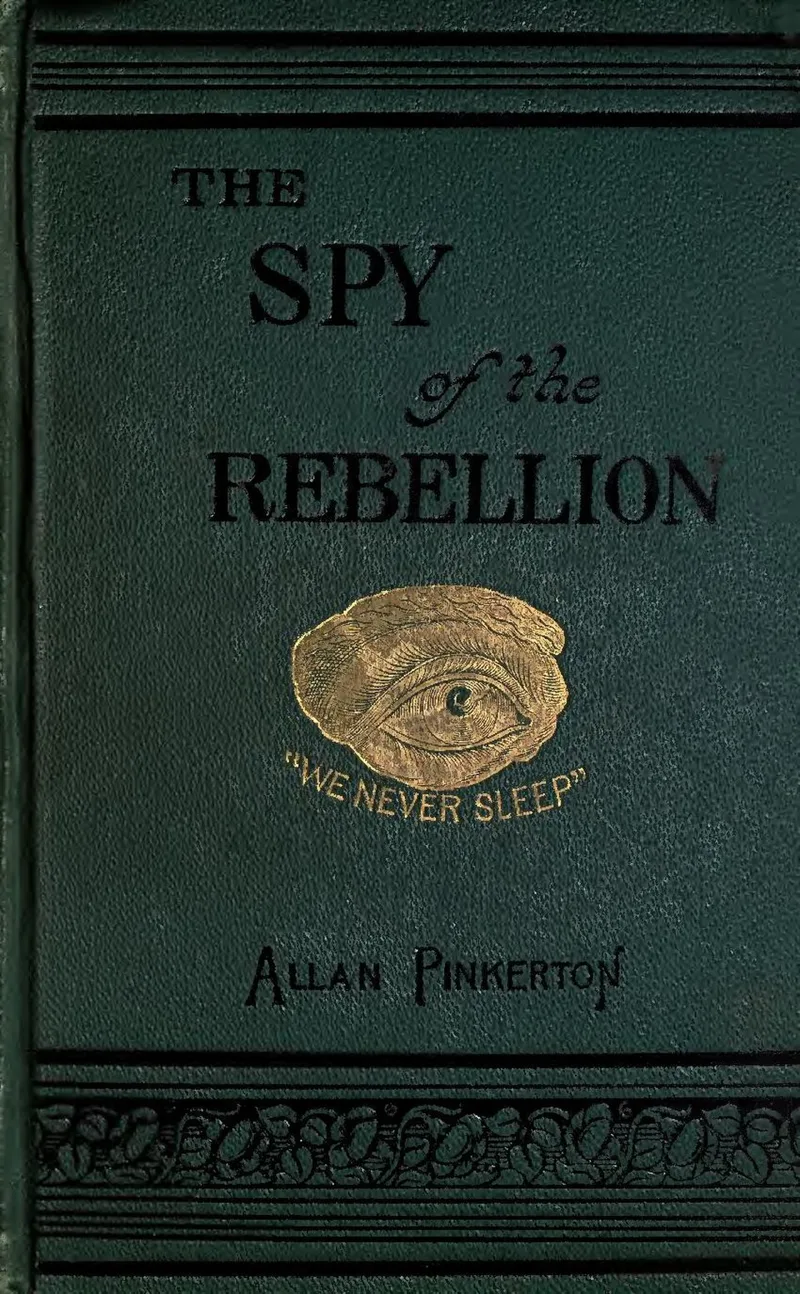
Cover of Allan Pinkerton’s The Spy of the Rebellion (1883), the book that tells how Kate Warne’s “invalid brother” got Lincoln through Baltimore. Internet Archive scan, public domain, via Wikimedia Commons See also: Disguise , Cockade
G Galena Say it: guh-LEE-nuh · Material
A heavy, grey-black lead mineral (lead sulphide), ground in ancient Egypt to make black eye paint.
Galena, Mies mine, Slovenia, mineral specimen. Photo Ra’ike, CC BY-SA 3.0, via Wikimedia Commons Walter and colleagues (1999) found galena in Egyptian makeup powders, along with lead compounds that had been made on purpose by “wet chemistry.”
Historical use only. This material is toxic; do not use it on skin.
In the stories: Green around the eyes at El Mahasna, before the pharaohs
See also: Kohl , Malachite , Pyrolusite , White lead
Greasepaint Material
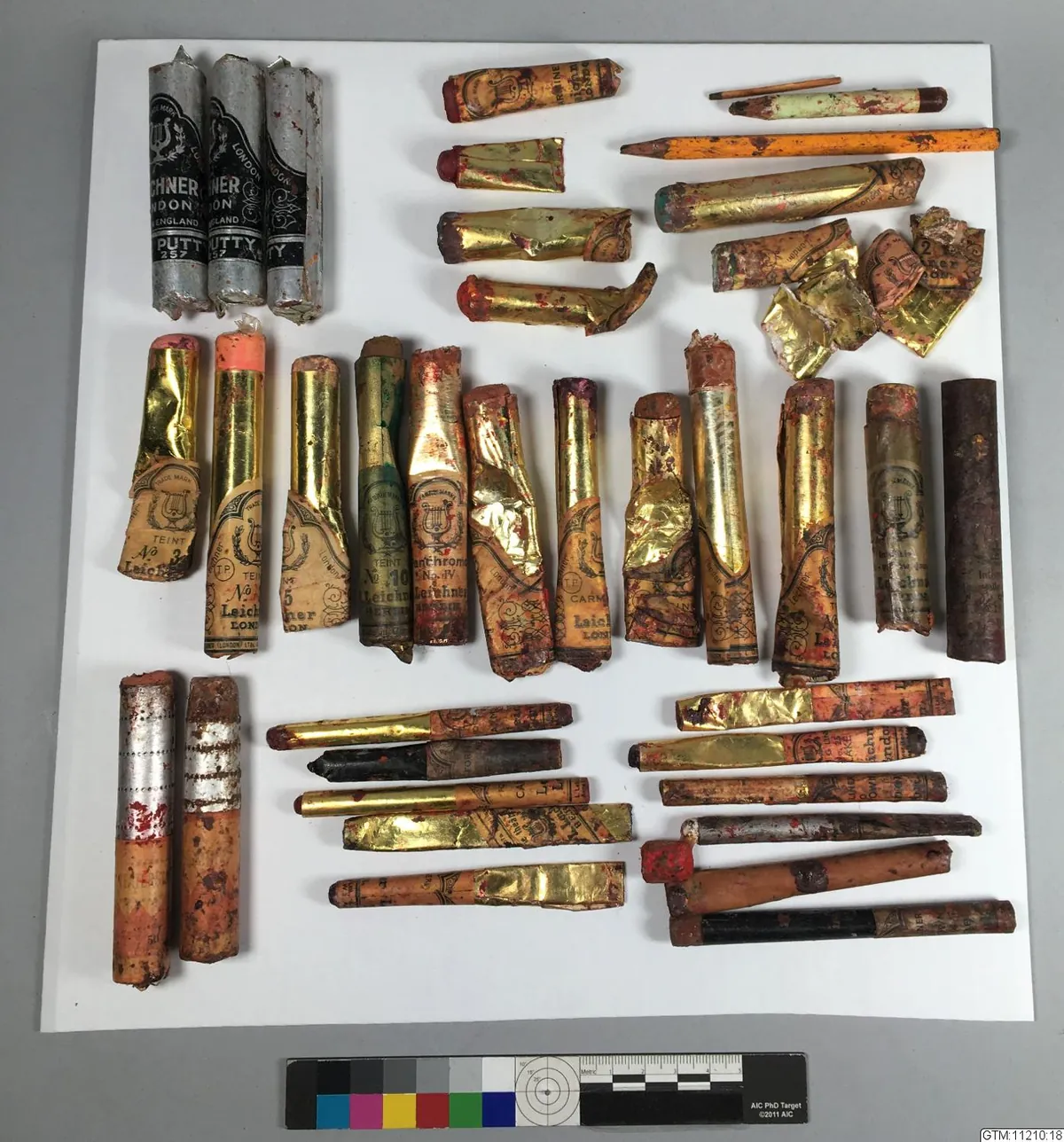
Stick or cream makeup made with grease for stage use. Leichner’s non-toxic greasepaint sticks were sold commercially from the late 19th century.
Greasepaint sticks, most of them made by Leichner, from a Swedish actor’s makeup box. Göteborgs stadsmuseum. Göteborgs stadsmuseum, CC BY 4.0 In the stories: Joseph Grimaldi’s clown face: white ground, red cheeks
See also: White ground , Makeup plot
Gum arabic Material
A natural gum used as a glue. Vidocq used it to stick “a kind of coffee-grounds” to his upper lip as part of a disguise.
Raw gum arabic. Photo Tarig A. Eltom, CC BY 3.0, via Wikimedia Commons See also: Disguise , Walnut stain , False hair , Sûreté
L Lacquer Material
A hard, glossy coating made from tree sap, used on boxes, dishes and furniture.
Cosmetic box (lian), black lacquer with painted cinnabar lacquer and silver bands, China, Western Han dynasty. Portland Art Museum. Photo Daderot, public domain, via Wikimedia Commons In the stories: Xin Zhui's nine little boxes
See also: Lian (toilet box) , Mirror
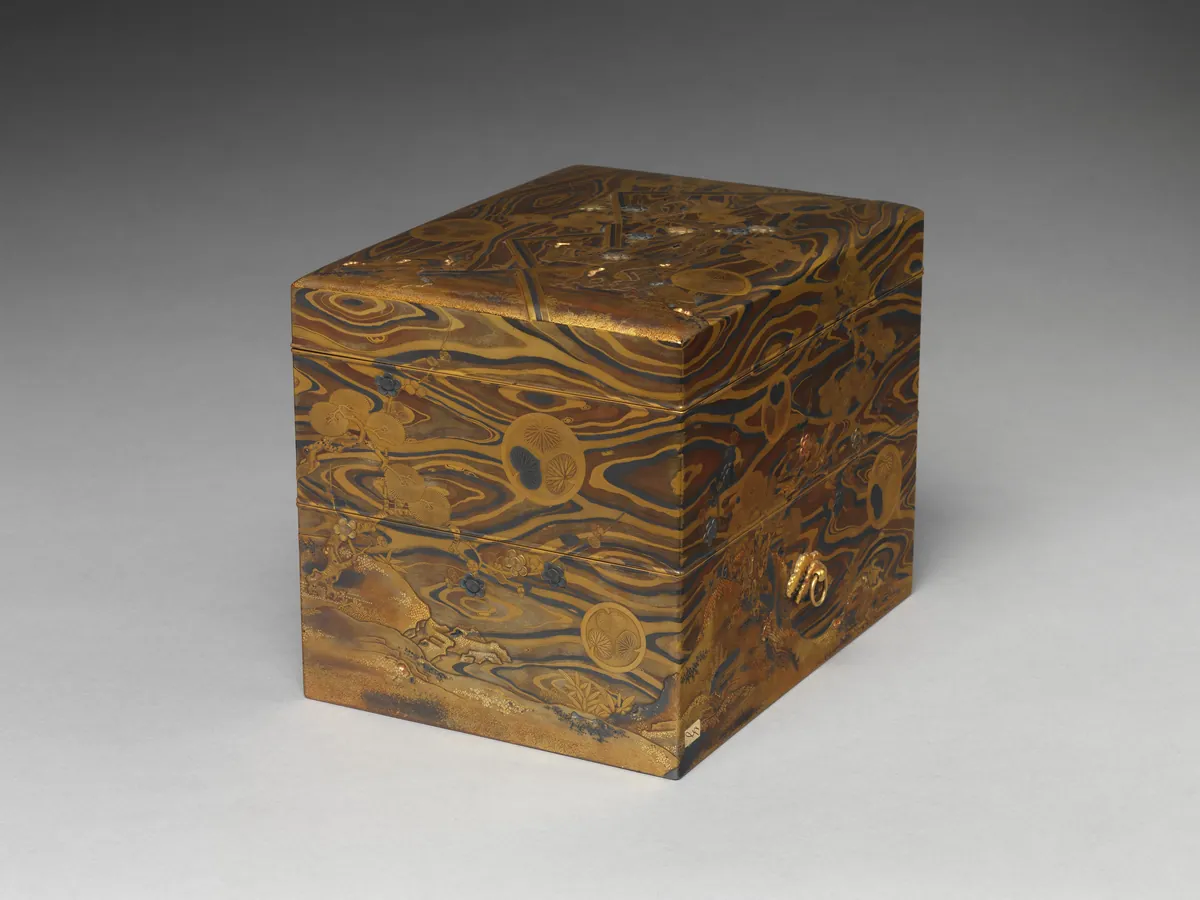
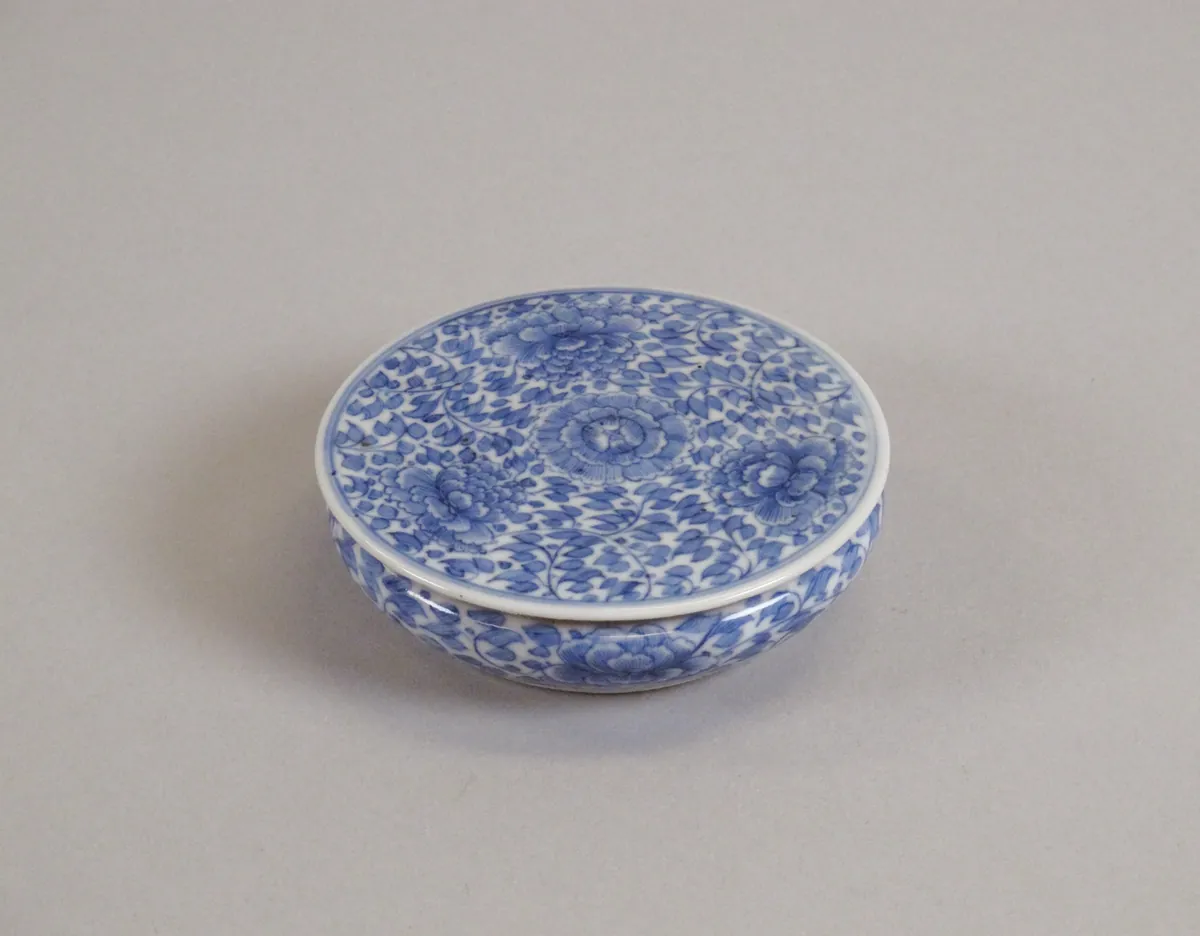
Lian (toilet box) Say it: lyen · Container
A Chinese lidded box for a lady’s mirror, combs and cosmetics. Xin Zhui’s is a two-tier lacquer lian with nine small boxes inside.
Small round lidded cosmetic boxes (lian), late Western Han dynasty, about 100 BCE–25 CE. LACMA. Los Angeles County Museum of Art, M.2001.32.3a-b, public domain, via Wikimedia Commons The museum gives its size as 19.2 cm high and 33.2 cm across. The tomb at Mawangdui was excavated in 1972.
In the stories: Xin Zhui's nine little boxes
See also: Lacquer , Mirror , Rouge , False hair , Toilet set
Litharge Say it: LITH-arj · Material
Lead oxide. One of Caterina’s recipes boils it in strong vinegar for a face wash meant to whiten the skin.
Historical use only. This material is toxic; do not use it on skin.
Litharge, mineral specimen. Wikimedia Commons, CC0 (GeoDIL) In the stories: Caterina Sforza’s book of beauty recipes
See also: White lead , Alembic
Lye Material
A strong alkaline liquid made with wood ash. Caterina boiled ivy leaves in it to wash the hair.
Lye made from wood ash (lejía de ceniza), in a jar. Photo El Mono Español, CC BY-SA 4.0, via Wikimedia Commons Historical use only. Lye is caustic and burns skin and eyes.
In the stories: Caterina Sforza’s book of beauty recipes
See also: Hair dye , Experimenti
M Makeup plot Technique
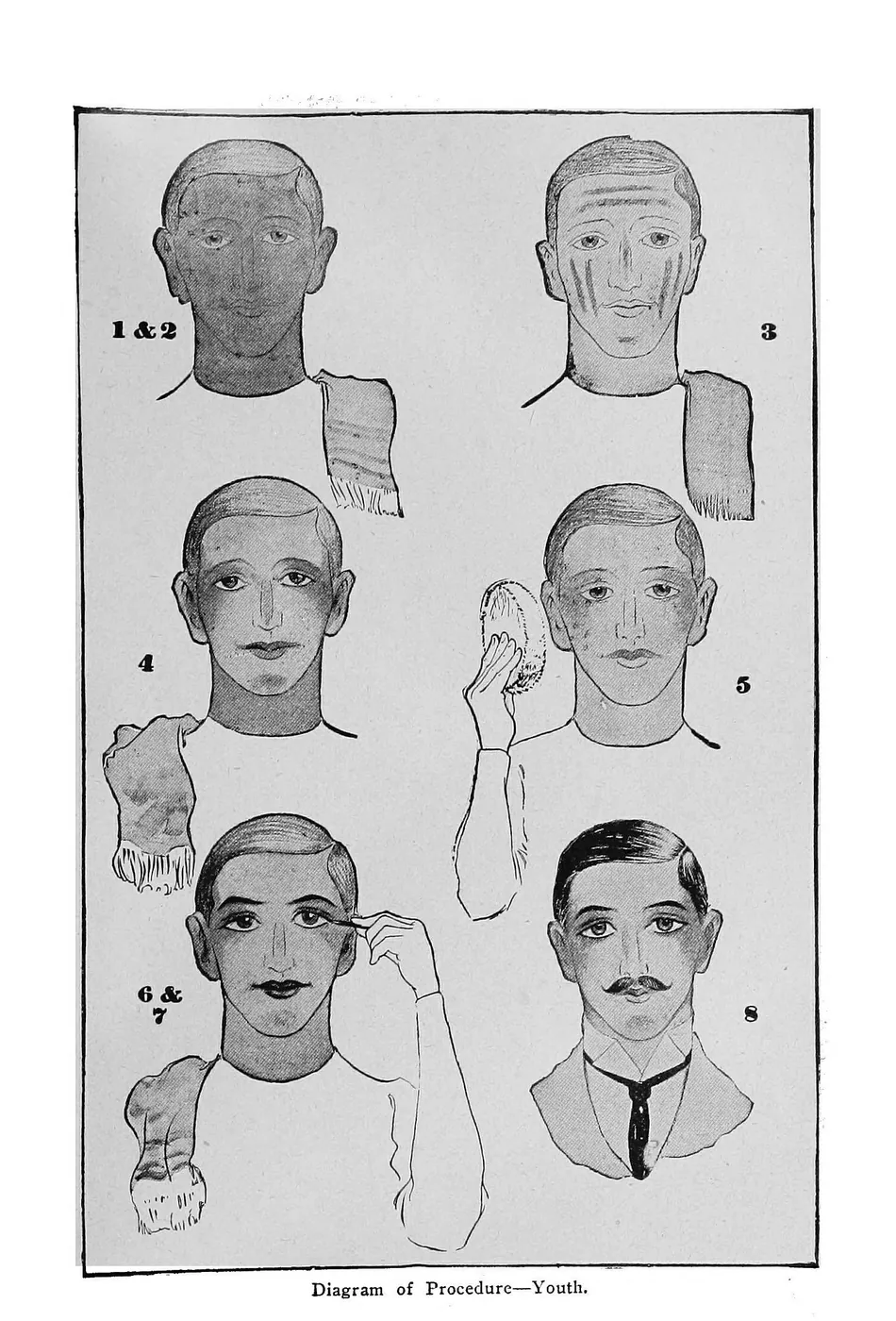
A chart of each character’s makeup, worked out before a production opens.
A 1905 make-up chart, “Diagram of Procedure – Youth”, from James Young’s Making Up, drawings by Edgar Keller. A makeup plot sets out a chart like this for every character. Cornell University Library scan via Internet Archive, public domain See also: Greasepaint
Malachite Say it: MAL-uh-kite · Material
A green copper mineral. In early Egypt it was crushed on stone palettes to make green eye paint.
Lumps of the ore turn up in predynastic graves beside palettes and grinding pebbles. At Ur, one cockle-shell paint pot is described by the Penn Museum as holding green paint that is “possibly malachite”; a British Museum shell tested as other copper minerals.
Fragments of malachite, Egypt, New Kingdom, about 1473–1458 BCE. The Metropolitan Museum of Art, 27.3.450a–c, public domain (CC0) In the stories: Green around the eyes at El Mahasna, before the pharaohs · Green paint in Puabi’s golden shell at Ur
See also: Galena , Palette , Kohl , Azurite , Atacamite , Pigment
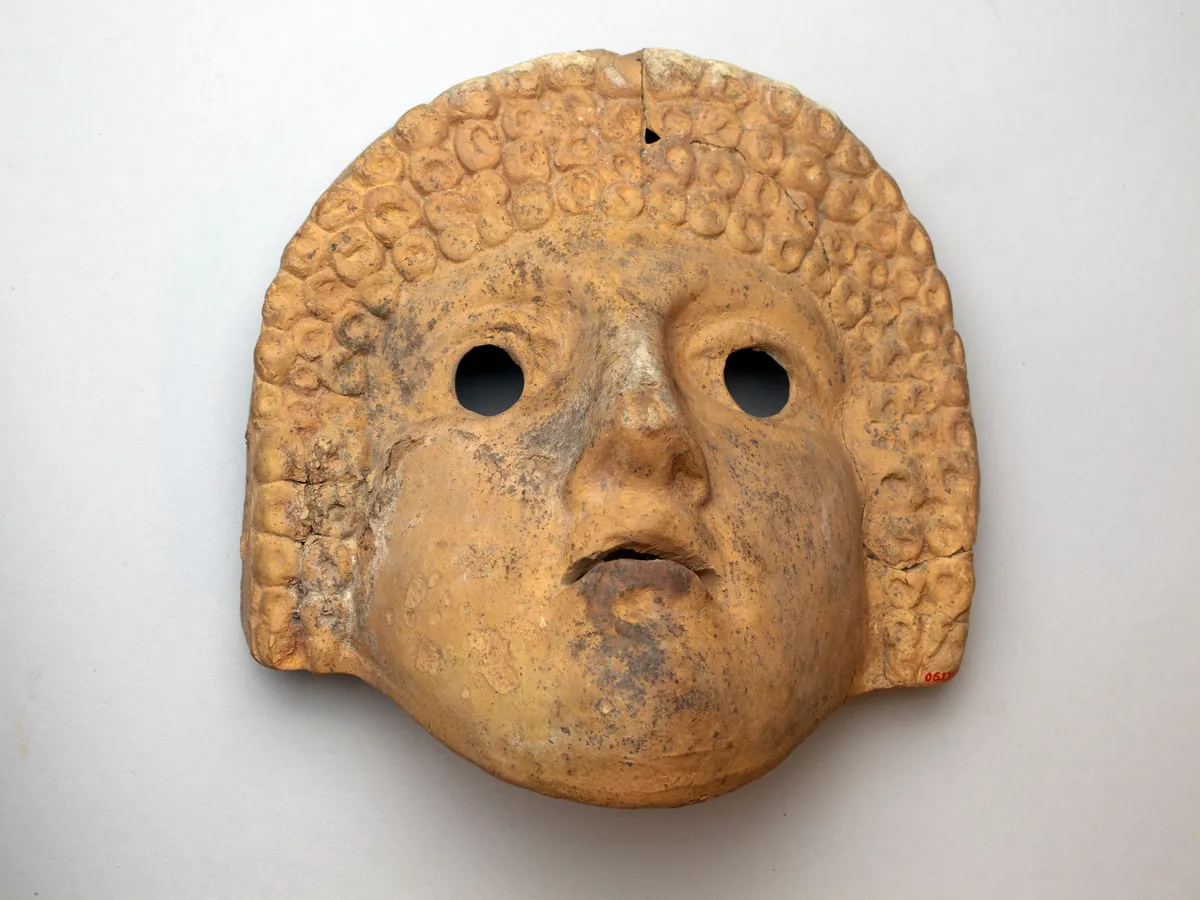
Mask Tool
A covering for the face. The Suda says Thespis brought in masks made only of linen after first painting his face.
Mask, tragic female, Roman, terracotta. The Metropolitan Museum of Art, 06.1103, public domain (CC0) In the stories: Thespis and the painted face before the mask
See also: Thespian , Kumadori , White lead
Mayuzumi Say it: mah-yoo-ZOO-mee · Material
Eyebrow ink: the dark colour used to paint new brows after the natural ones were removed.
Tokugawa Mikako, photographed before the Meiji Restoration (1868), with her brows painted high on the forehead. Photographer unknown, public domain, via Wikimedia Commons In the stories: The Lady Who Loved Insects keeps her eyebrows
See also: Plucked brows
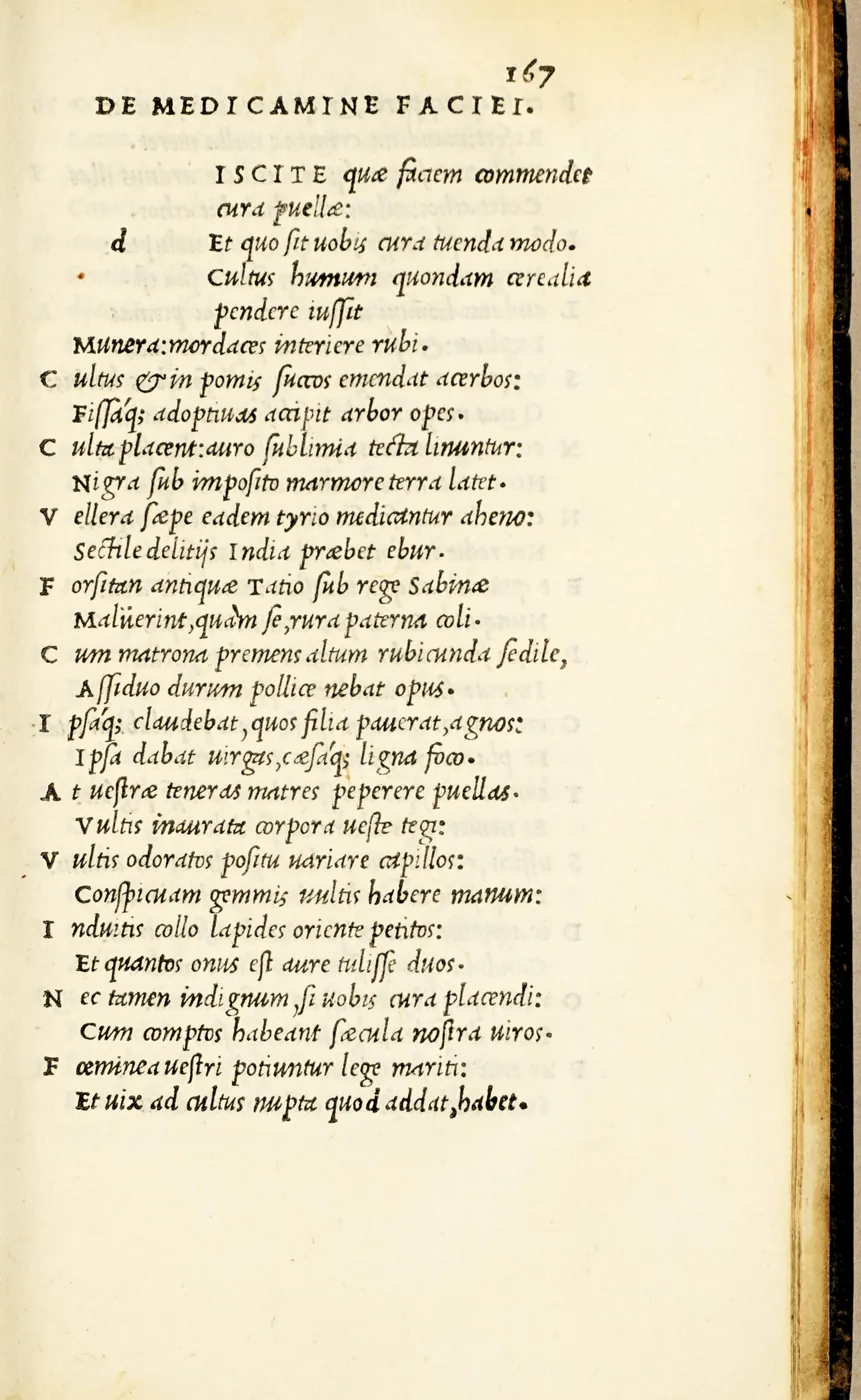
Medicamina Say it: meh-dih-KAH-mih-nah · Word
The first word of the title of Ovid’s poem on face cosmetics, Medicamina Faciei Femineae. Only about a hundred lines survive.
The opening of Ovid’s poem on face cosmetics, headed “De medicamine faciei”, in the Aldine edition printed in Venice in 1515. John Carter Brown Library copy. John Carter Brown Library scan via Internet Archive, public domain See also: White lead , Nitrum , Alcyoneum , Frankincense and myrrh
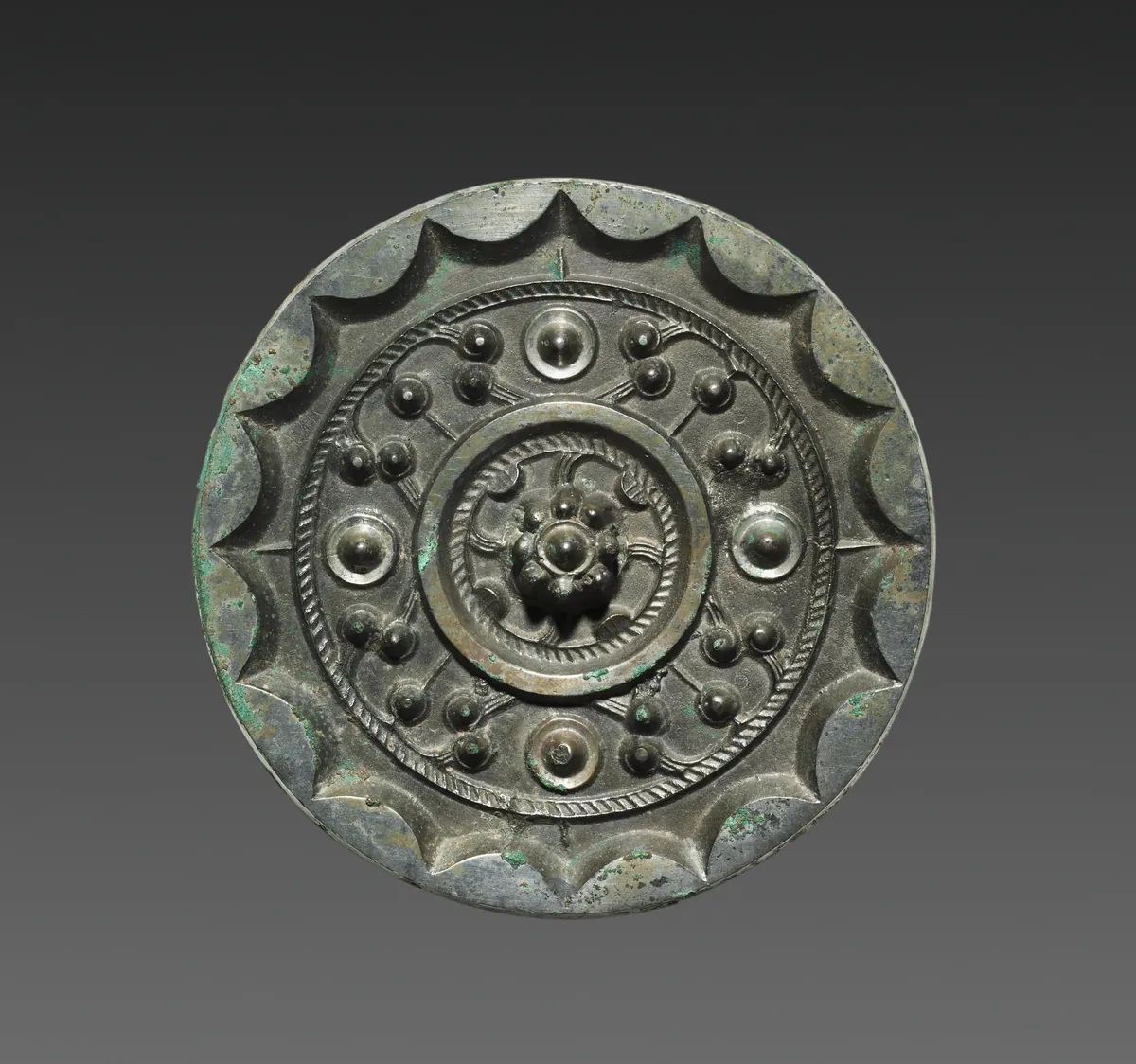
Mirror Tool
A polished surface for seeing your face. Before glass mirrors, most were polished bronze or copper.
Mirror with clouds and nebulae, China, Western Han dynasty, 200–100 BCE, bronze. The Cleveland Museum of Art, 1995.288, public domain (CC0) In the stories: Xin Zhui's nine little boxes · Green around the eyes at El Mahasna, before the pharaohs · A dab of red on Genji’s nose
See also: Lian (toilet box) , Toilet set , Applicator (kohl stick)
Moisturiser Material
A cream that keeps the skin soft. The London Museum says the Roman cream’s fat and starch would have worked as one.
The Roman tin canister found at Tabard Square, Southwark, in 2003, still holding its face cream with two fingermarks in it. Museum of London. Photo Udimu, CC BY-SA 4.0, via Wikimedia Commons In the stories: A Roman face cream from London, finger marks and all
See also: Unguent , Starch
P Palaestra Say it: puh-LES-truh · Place of work
A Greek exercise ground. The architect Vitruvius planned a dust room and an oil room inside it.
The palaestra at Olympia, Greece. Photo Annatsach, CC BY-SA 4.0, via Wikimedia Commons See also: Dust room and oil room , Strigil , Athletic dust
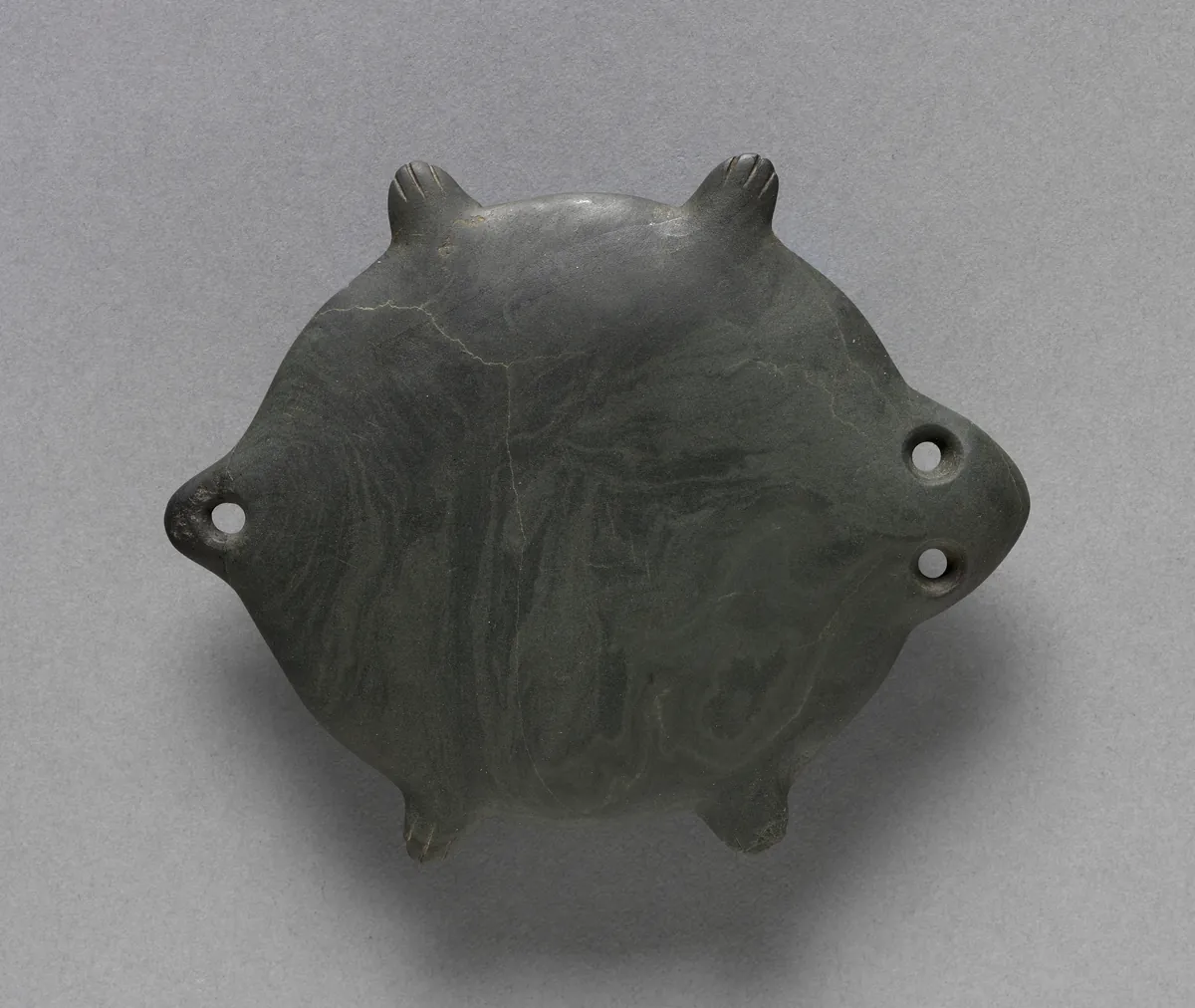
Palette Tool
A flat stone slab on which mineral pigment was crushed and mixed for eye paint.
Early Egyptian palettes were often cut in animal shapes: turtles, fish, rams. Experiments by Matt Szafran suggest malachite was wrapped and crushed rather than simply ground.
Palette in the form of a turtle, Egypt, Predynastic, about 3500–3050 BCE, graywacke. The Cleveland Museum of Art, 1989.47, public domain (CC0) In the stories: Green around the eyes at El Mahasna, before the pharaohs
See also: Malachite , Galena , Kohl
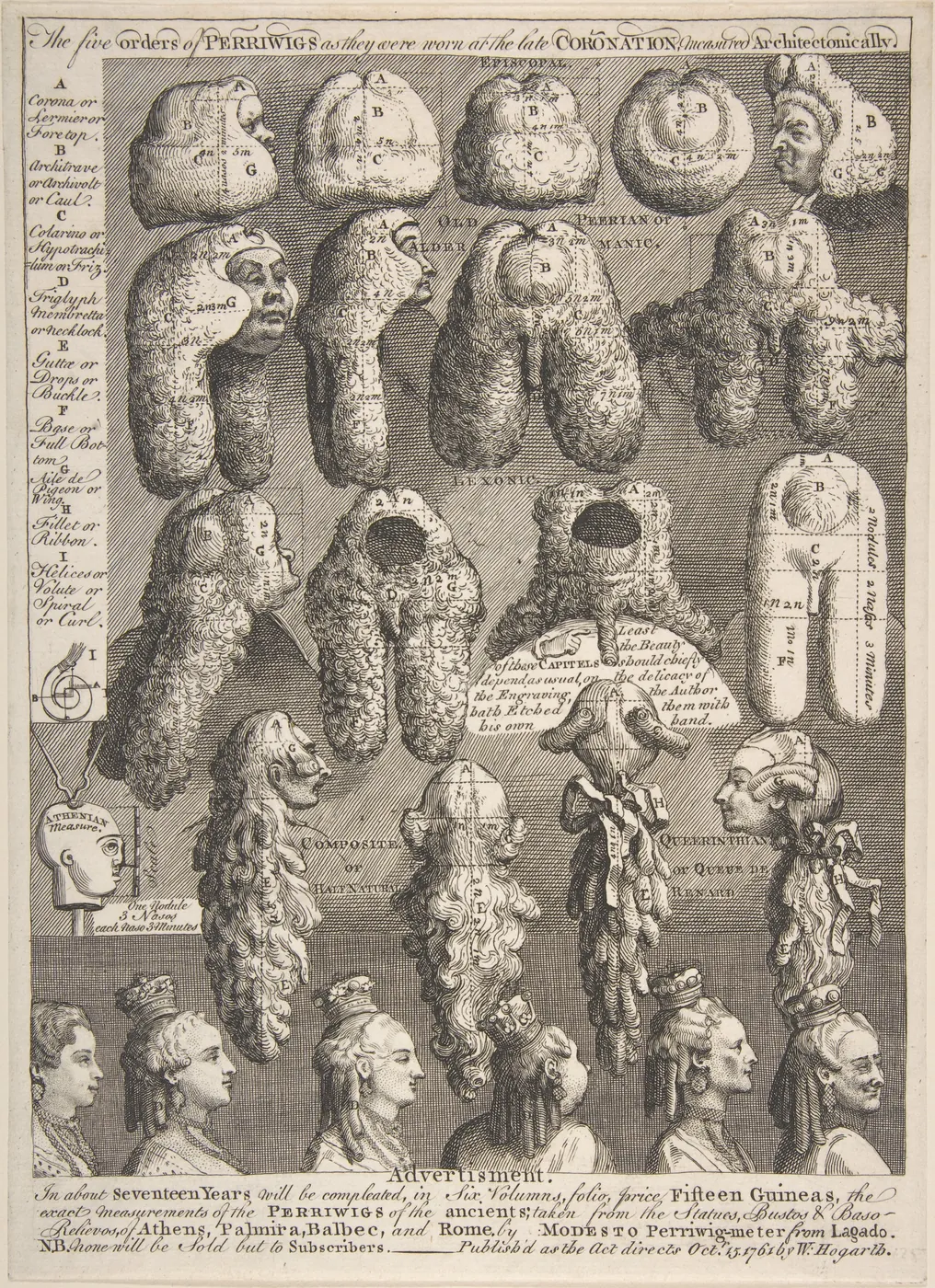
Periwig Say it: PAIR-ih-wig · Hair
A wig, especially the large wigs men wore in the 17th and 18th centuries.
The Five Orders of Periwigs, William Hogarth, 1761, etching (a satire). The Metropolitan Museum of Art, 32.35(116), public domain (CC0) See also: Wig , False hair
Pigment Material
A coloured powder that gives makeup or paint its colour.
Pigments for sale at a market stall, Goa, India. Photo Dan Brady, CC BY 2.0, via Wikimedia Commons In the stories: Green paint in Puabi’s golden shell at Ur · Green around the eyes at El Mahasna, before the pharaohs
See also: Malachite , Azurite , Atacamite
Plucked brows Technique
Removing the natural eyebrows and painting new ones higher on the forehead. A fashion of the Heian court.
Cosmetic box for eyebrow makeup (mayudzukuri-bako), Japan, early 18th century, lacquer. The Metropolitan Museum of Art, 29.100.675a–c, public domain (CC0) In the stories: The Lady Who Loved Insects keeps her eyebrows · A dab of red on Genji’s nose
See also: Mayuzumi , Tooth-blackening (ohaguro) , Oshiroi
Powder puff Tool
A soft pad for patting on face powder. Xin Zhui’s box held silk ones.
A celluloid powder box with its puff. Auckland War Memorial Museum Tāmaki Paenga Hira, CC BY 4.0, via Wikimedia Commons In the stories: Xin Zhui's nine little boxes
See also: Rouge , Oshiroi , Athletic dust
Purslane Material
A small leafy plant. The Suda says Thespis covered his face with it after using white lead.
Purslane (Portulaca oleracea) in flower. Photo Cbaile19, CC0, via Wikimedia Commons What exactly “covering the face with purslane” meant is uncertain; one scholar read it as hanging sprigs over the face.
In the stories: Thespis and the painted face before the mask
See also: White lead , Mask , Wine lees
Pyrolusite Say it: py-roh-LOO-site · Material
A grey-black manganese mineral, also ground for eye paint in predynastic Egypt.
Pyrolusite, mineral specimen. Wikimedia Commons, CC0 (GeoDIL) In the stories: Green around the eyes at El Mahasna, before the pharaohs
See also: Galena , Kohl
S Safflower Say it: suetsumuhana: soo-eh-tsoo-moo-HAH-nah · Material
An orange-flowered plant whose petals give beni red. Its old Japanese name, suetsumuhana, is the title of the Genji chapter with the red-nose scene.
Arthur Waley translated the chapter title as “The Saffron-Flower,” but the plant is safflower, not saffron.
Safflower (Carthamus tinctorius) in flower. Wikimedia Commons, public domain In the stories: A dab of red on Genji’s nose
See also: Beni , Rouge
Starch Material
A fine white powder from grain or roots; one of the three main ingredients in the Roman cream from London.
Starch from the roots of Canna indica, in a dish. Photo Fpalli, CC BY-SA 3.0, via Wikimedia Commons In the stories: A Roman face cream from London, finger marks and all
See also: Tin oxide , Moisturiser , Powder puff
Strigil Say it: STRIJ-il · Tool
A curved metal scraper for removing oil, sweat and dust from the skin after exercise.
Bronze strigil, Roman, 1st–2nd century CE. The Metropolitan Museum of Art, 97.24, public domain (CC0) See also: Aryballos , Toilet set , Palaestra
Sûreté Say it: soor-tay · Group
The Paris “security brigade” of plain-clothes detectives led by Eugène François Vidocq, a former convict. It began informally in 1811 and was made an official police unit in October 1812.
Sources differ a little on the start date: 1811 for the first small brigade, and 1812 for its official status.
Eugène François Vidocq, first chief of the Sûreté, lithograph after Achille Devéria, about 1828. Musée Carnavalet, Paris. Wikimedia Commons, public domain In the stories: Vidocq, the convict who became the face-changer of the Paris police
See also: Disguise , Wig , Gum arabic , Walnut stain
T Thespian Say it: THES-pee-un · Word
An actor. The word comes from Thespis, the Greek poet often called the father of tragedy.
Thespis and his cart, relief by Nino Pisano for the bell tower of Florence Cathedral, 1334–36. Photo sailko, CC BY 2.5, via Wikimedia Commons In the stories: Thespis and the painted face before the mask
See also: Mask , Wine lees , White lead
Tin oxide Material
A white powder made by heating tin. It was found in a Roman face cream from London, where it gave the skin a translucent glow.
Tin(IV) oxide powder. Photo Ondřej Mangl, public domain, via Wikimedia Commons In the stories: A Roman face cream from London, finger marks and all
See also: Starch , Unguent , White lead
Toilet set Tool
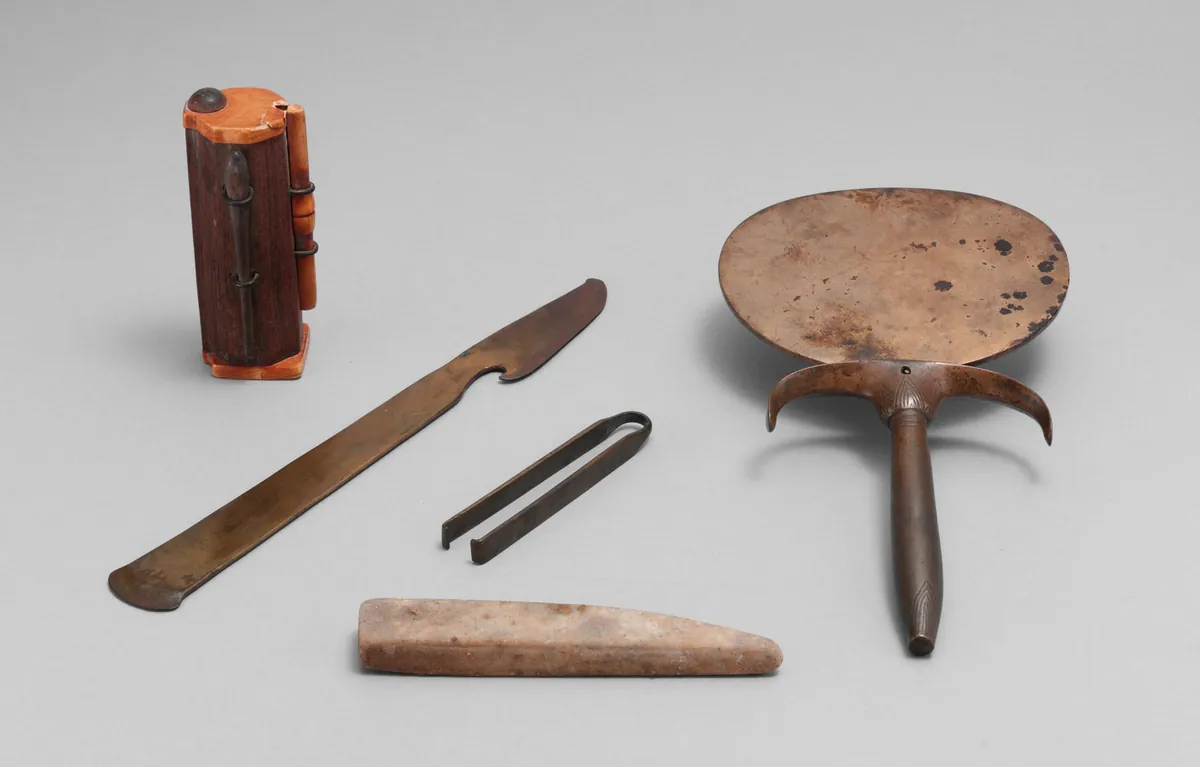
Grooming tools made to be kept or carried together, such as an oil flask and scrapers, or a kohl tube, tweezers and mirror.
Cosmetic set of kohl tube and applicator, razor, tweezers, whetstone and mirror, Egypt, New Kingdom, about 1550–1458 BCE. The Metropolitan Museum of Art, public domain (CC0) In the stories: Green around the eyes at El Mahasna, before the pharaohs · Xin Zhui's nine little boxes
See also: Strigil , Aryballos , Applicator (kohl stick) , Lian (toilet box)
Tooth-blackening (ohaguro) Say it: oh-HAH-goo-roh · Technique
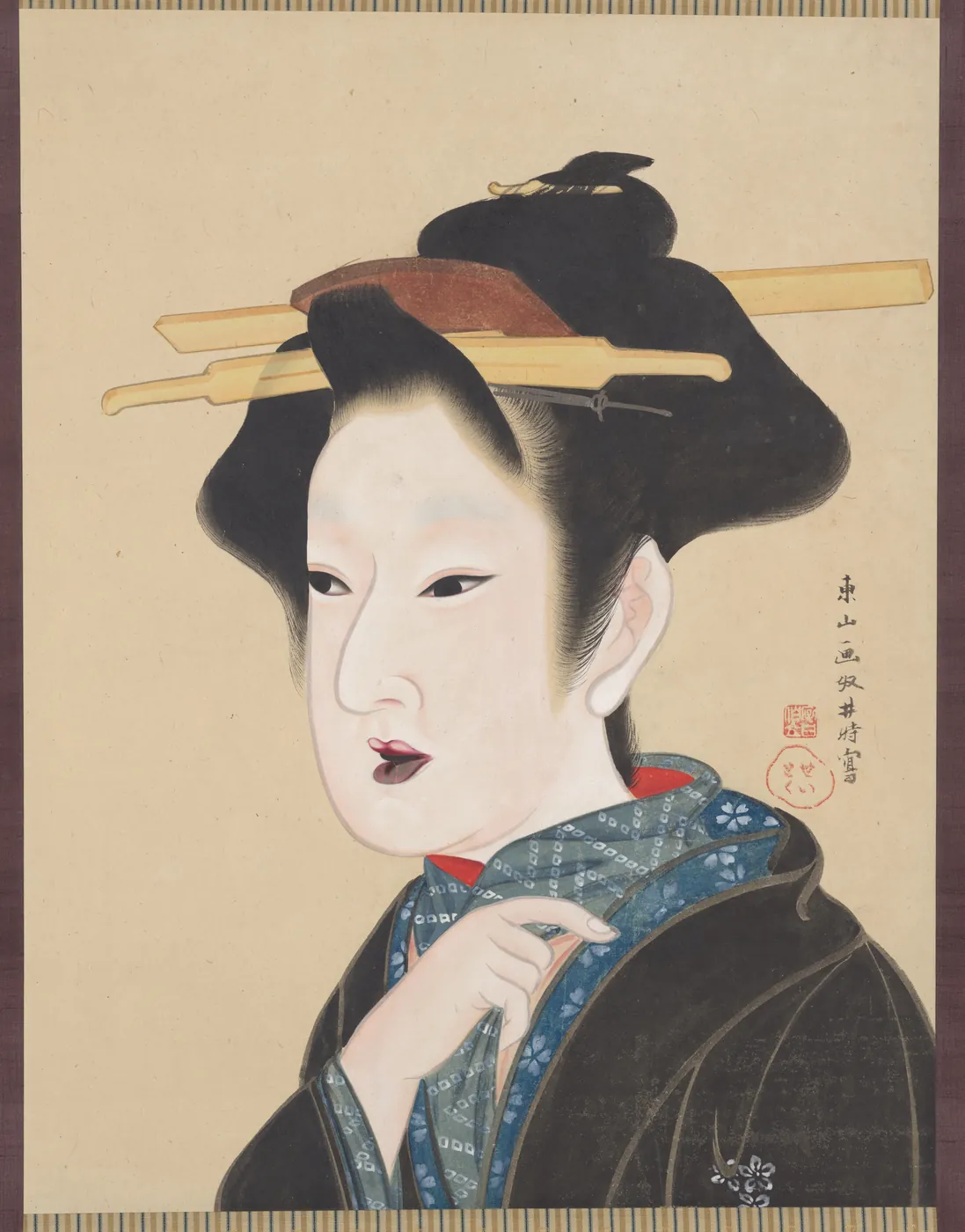
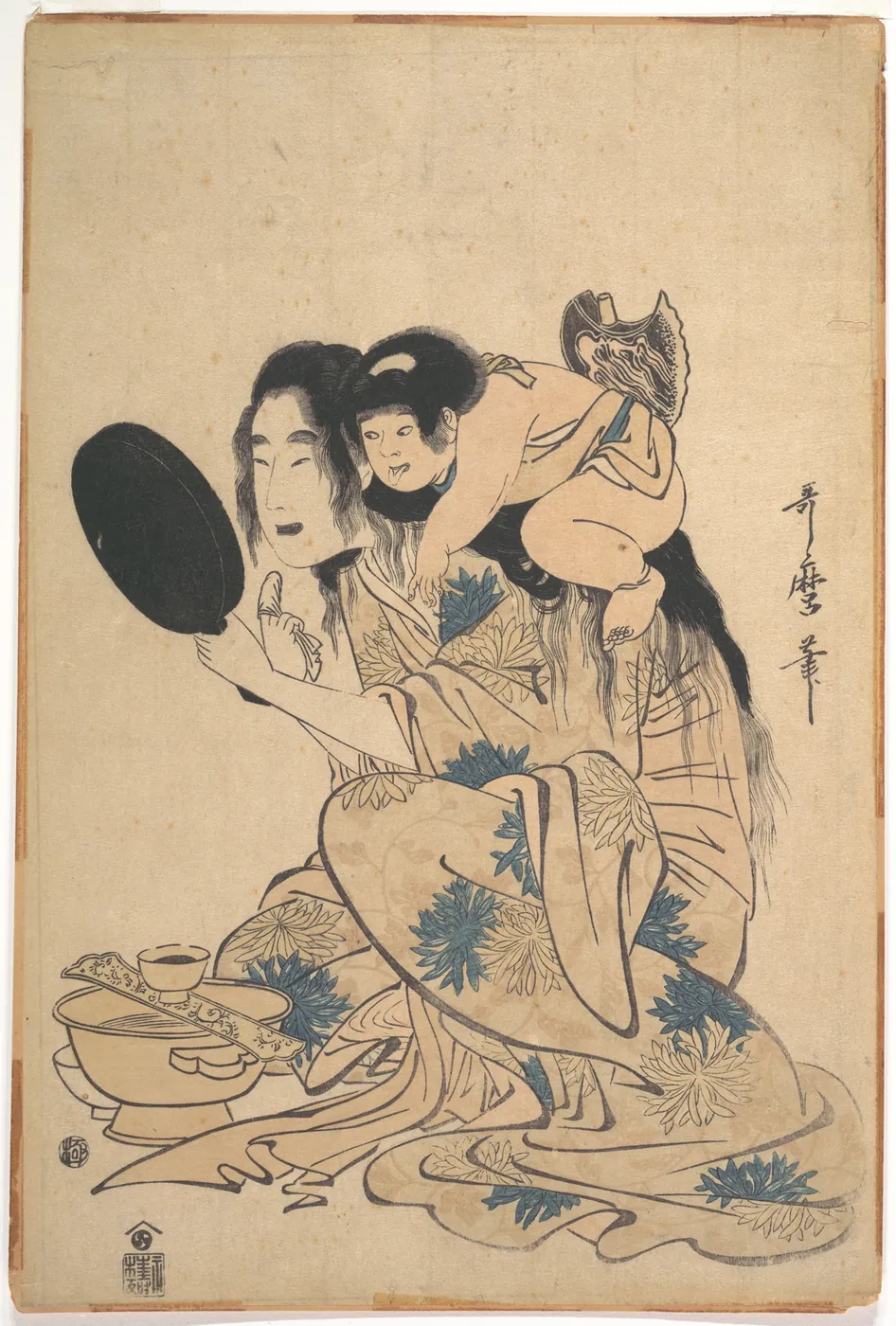
Dyeing the teeth black. At the Heian court it marked coming of age, from about the age of ten.
Pola’s history says it was made with gallnut powder (fushi-no-ko) and “ohaguro water.” By the late Heian period, court men wore it too.
Yamauba blackening her teeth, with Kintarō, Kitagawa Utamaro, about 1795, woodblock print (Edo period, later than the stories). The Metropolitan Museum of Art, 1996.463, public domain (CC0) In the stories: A dab of red on Genji’s nose · The Lady Who Loved Insects keeps her eyebrows
See also: Plucked brows , Oshiroi , Beni , Mayuzumi
W Walnut stain Material
A brown liquid made from walnut, used to darken skin. Vidocq calls his “white walnut liquor.”
Walnut ink, a brown liquid made from walnut hulls, used for writing. Photo Charles Barilleaux, CC BY 2.0, via Wikimedia Commons Caterina Sforza’s recipes used unripe walnuts to dye hair black.
In the stories: Caterina Sforza’s book of beauty recipes
See also: Hair dye , Disguise , Sûreté
White ground Look
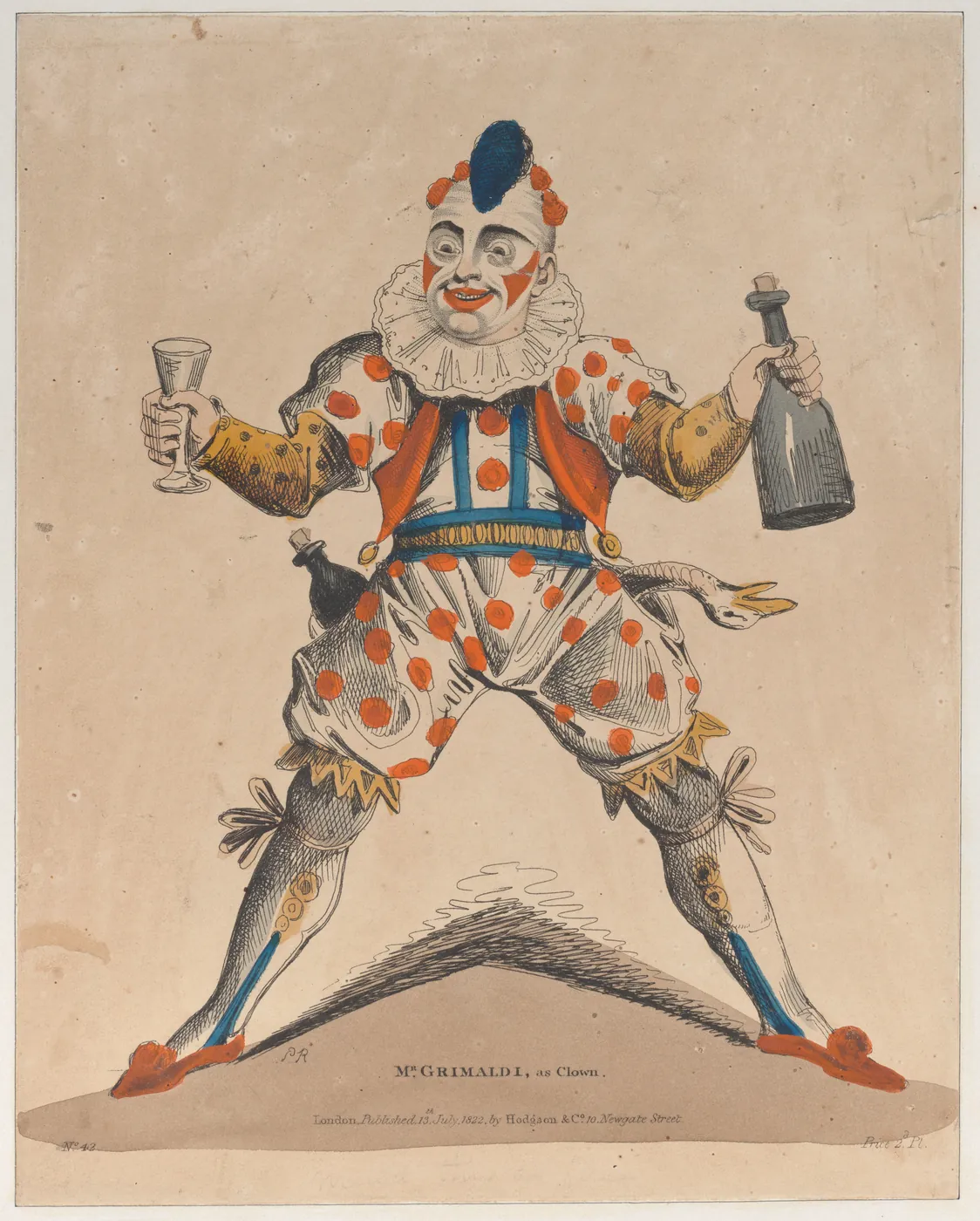
A white base over the whole face with features painted on top, as in Joseph Grimaldi’s clown face with its red cheek markings.
Prints show how the face looked. What he used to make it is not recorded.
Mr. Grimaldi as “Joey” the Clown, Piercy Roberts, 1822, hand-coloured etching. The Metropolitan Museum of Art, 17.3.888-318, public domain (CC0) In the stories: Joseph Grimaldi’s clown face: white ground, red cheeks
See also: Greasepaint , Oshiroi
White lead Say it: ceruse: SEER-oos · Material
A white pigment made from lead, used for centuries to whiten the face. Greek psimythion, Latin cerussa, English ceruse.
Lead white, shown in a museum case. Photo Concord, CC BY-SA 3.0, via Wikimedia Commons The Suda says Thespis first rubbed his face with white lead (psimythion). Ovid lists cerussa in a face recipe. In Heian Japan, one kind of white face powder was made from lead white.
Historical use only. This material is toxic; do not use it on skin.
In the stories: Thespis and the painted face before the mask · A dab of red on Genji’s nose
See also: Oshiroi , Litharge , Tin oxide , Galena
Wig Hair
A head covering made of real or artificial hair.
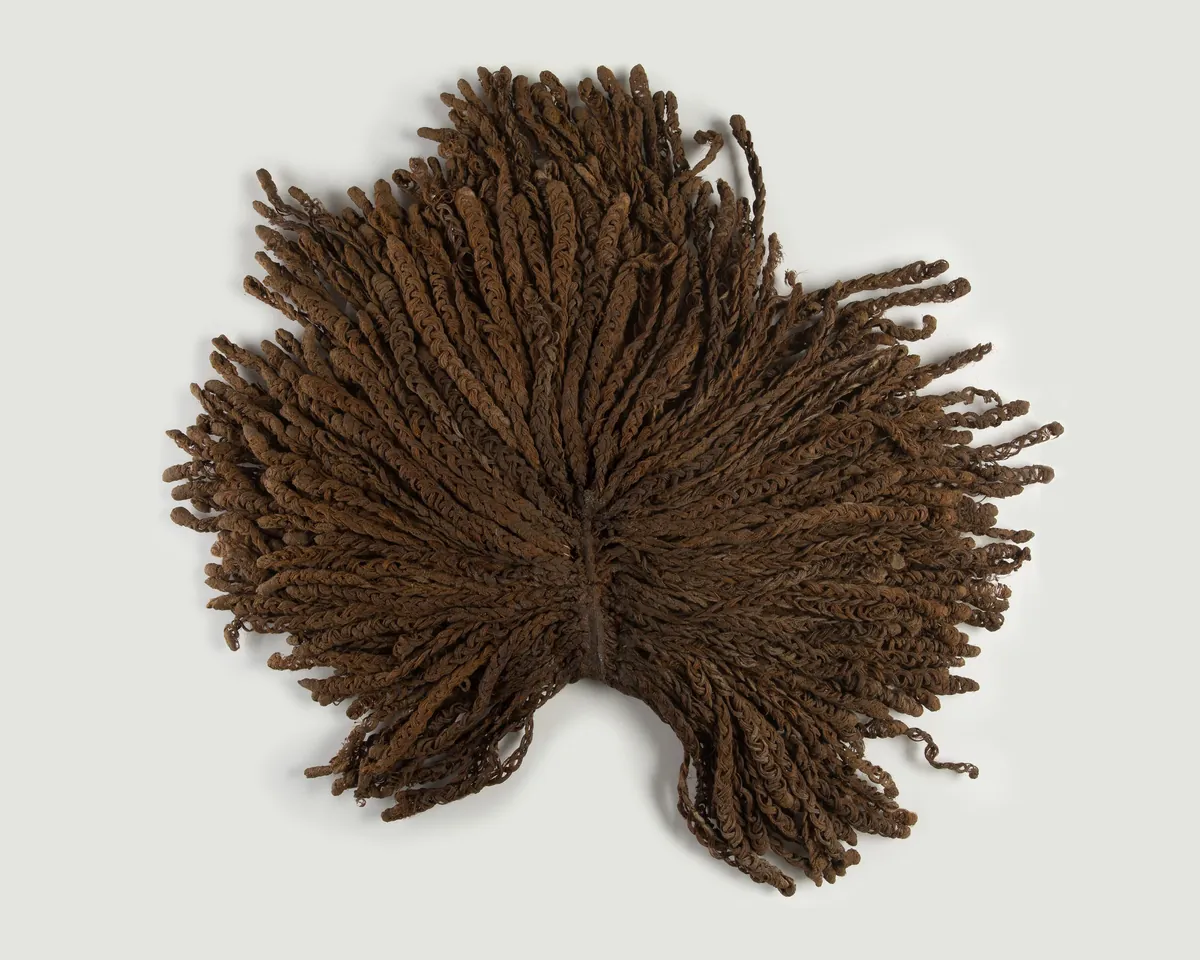
Wig, Egypt, about 1051–1002 BCE, hair and beeswax. The Metropolitan Museum of Art, 30.3.35, public domain (CC0) In the stories: Xin Zhui's nine little boxes
See also: Periwig , False hair , Sûreté
Wine lees Material
The dregs left in a wine jar. Horace says the first tragic players smeared their faces with them.
Wine lees being drained into tubs at the Carmel Mizrachi winery, Rishon LeZion, 1960. Photo Willem van de Poll, Nationaal Archief, CC0, via Wikimedia Commons In the stories: Thespis and the painted face before the mask
See also: White lead , Purslane , Mask , Thespian